As AI continues to transform the SEO landscape (and shows no sign of stopping!), it’s essential to adapt your strategy to ensure better visibility in search results.
Instead of listing full web pages, Google (and other AI platforms) now surface specific answers to user queries, fast, direct, and pulled from the most relevant content. That means you’re no longer just writing for search engines. You’re writing for answer engines.
To show up, your content needs to be structured, clear, and optimized for AI extraction.
In this blog, we’ll break down exactly how AI is reshaping SEO and share practical tips to help you stay visible, relevant, and ahead of the curve.
Here’s what we’ll cover:
- Why AI Needs Short, Clear Snippets
- How Google’s AI breaks down a search
- Core Rules for Writing AI-Ready Snippets
- Structuring Context for AI Extraction
- Separate Snippet and Context Sections
- Final Word
And be sure to check this out if you want your content to show up in Google’s AI Mode results.
Why AI Needs Short, Clear Snippets
AI doesn’t read full articles. It scans for short, self-contained blocks that answer one specific question.
A single search often splits into smaller sub-queries. Each one needs its own precise answer.
What works:
iPhone 14 Pro has a 3,200 mAh battery. Google Pixel 7 has 4,355 mAh. iPhone runs smoother; Pixel lasts longer.
What fails:
Smartphones vary in performance and battery life.
No models. No data. No shot at being picked.
To show up in AI results, each block must:
- Make full sense of its own
- Start with a clear answer
- Use exact names like “iPhone 14 Pro”
- Include hard data (numbers, comparisons)
- Cite a source if needed
Keep it between 40–60 words. Drop filler. Skip vague words like “might” or “could."

How Google’s AI Breaks Down a Search
AI doesn’t just answer the main query. It splits it into smaller ones, a process called query fan-out.
Search for the best email marketing software, and Google might also ask:
- HubSpot vs Mailchimp pricing
- Email tools with live chat
- Free CRM with marketing features
You can’t just write a broad overview. You need focused snippets for each of those.
For example:
HubSpot’s free plan: 2,000 emails/month, unlimited contacts. Mailchimp: 2,000 contacts, 10,000 sends/month. HubSpot suits growing lists; Mailchimp fits small campaigns.
That’s what AI grabs: short, specific, and useful.
Core Rules for Writing AI-Ready Snippets
To rank in AI Mode, your content needs to follow a few strict rules.
1. Lead with the Answer
Start with the conclusion. AI looks for clear responses, fast.
iPhone 14 Pro: 20 hours video playback. Galaxy S23 Ultra: 25 hours. iPhone runs smoother; Galaxy lasts longer.
2. Use Exact Names
AI maps entities. Be specific so your snippet fits real sub-queries.
Asana tracks tasks with timelines. Trello uses boards and cards. Asana fits detailed project plans; Trello suits quick task lists.
3. Back It with a Source
Include a credible reference for any data.
TechRadar (April 2025): Ryzen 9 7950X scores 32,000; Intel i9-13900K scores 30,500.
4. Make It Easy to Pull
Use clear formats, bullets, short tables, or labeled sections.
For example:
Pros
- 32 GB DDR5 RAM
- 4K @ 120 Hz display
Cons
- 75 W power draw
- No built-on camera
Each block should:
- Be 40-60 words
- Stand alone
- Answer a specific question
- Use real names and numbers
- Include a trusted source
Structuring Content for AI Extraction
Once your snippets are solid, structure becomes the next priority.
AI scans your page looking for clearly labeled, self-contained sections. That starts with smart headers.
Use Clear Section Headers
Group your content around what users care about. For a page on wireless earbuds, try:
- Battery Life & Connectivity
- Sound Quality & Noise Cancellation
- Price Tiers
- Brand Comparisons
Use Subheadings that Match Real Questions
Under “Brand Comparisons,” go specific:
- Sony WF-1000XM4 vs Apple AirPods Pro
- Samsung Galaxy Buds 2 vs Jabra Elite 75t
Lead with a 40–60 Word Snippet
Every subheading should start with a concise, self-contained answer.
For example:
Sony WF-1000XM4 delivers 8 hours on a single charge. AirPods Pro lasts 5 hours. Sony is better for long listening; AirPods excel in noise cancellation and iPhone pairing.
Follow with Human Context
Right after, add a short note that helps users decide.
Commuting? Go Sony. It’ll last all day. Prefer lighter buds that just work with iOS? AirPods Pro are the easy choice.
Use Schema and Markup
- Add alt text and ImageObject schema for images
- Use clean HTML tables for quick data
- Include video transcripts and wrap them in VideoObject schema
This setup makes it easy for AI to find, understand, and feature your content.
Examples of AI-Ready Snippets
These examples show what works: short, direct answers with real data and a source.
Nike Shoe Comparison
Nike Air Zoom Pegasus 38: 290g. Nike React Infinity Run: 260g. Pegasus gives more stability; React is better for cushioning. Support-focused runners choose Pegasus. Injury-prone runners often pick React.
HubSpot vs Mailchimp Email Limits
Mailchimp’s free plan: 500 contacts, 1,000 emails/monthgood for small lists. HubSpot: unlimited contacts, 2,000 emails/month. Paid plans raise limits. Source: Mailchimp and HubSpot.
Rode Microphone Noise Floor
Rode NT1-A has a 5 dBA noise floor. NT-USB: 16 dBA. NT1-A is ideal for quiet studios. NT-USB is simpler for plug-and-play setups. Source: RØDE datasheet.
Each block:
- Leads with an answer
- Uses real numbers
- Explains why it matters
- Stands on its own
You can follow these with a quick explainer on how to pick a shoe, or a link to a gear guide.
Separate Snippet and Context Sections
AI Mode uses a short answer for search results, but you still need readers to engage once they click.
Use a two-part structure for each subsection:
AI Snippet
Place a 40–60-word block at the top.
Begin with a direct answer, include exact product names, numbers, and a source.
For example:
“The Dell XPS 13 delivers 12 hours of battery life under video playback. The MacBook Air M2 delivers 15 hours. XPS 13 suits users needing a Windows workflow; MacBook Air M2 is better for longer unplugged sessions.”
Human Context
Follow the snippet with a brief paragraph that adds real-world perspective, tips, or next steps.
Example:
“If you edit videos on the go, the MacBook Air M2’s extra battery life means fewer charging breaks. The XPS 13 remains a solid choice if you rely on Windows-only applications or prefer USB-A ports.”
The AI snippet ensures your content can be pulled into search results.
The human context keeps visitors reading and guides them toward action.
AI-Optimized Example: Affordable Podcast Mics
Here’s what a fully structured section looks like, built for both AI and humans.
Rode NT1-A vs Rode NT-USB: Noise Floor
AI Snippet
Rode NT1-A has a 5 dBA noise floor. NT-USB measures 16 dBA. NT1-A works best in treated studio setups. NT-USB is great for plug-and-play podcasting.
Source: RØDE datasheet.
Human Context
If you’re recording vocals or instruments in a quiet room, the NT1-A keeps noise to a minimum. If you want something quick and simple, the NT-USB plugs directly into your computerno extra gear needed.
Visual Element
Caption: Noise Floor Comparison – NT1-A vs NT-USB (2025)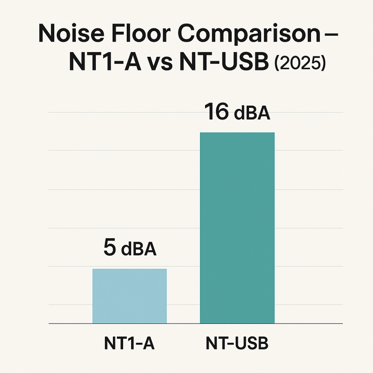
Video Review + Transcript Highlights
🎥 Watch: Rode NT1-A vs NT-USB
(You’ll need to create and upload the video to YouTube)
Transcript Snippets
- 00:30 – “The Rode NT1-A’s 5 dBA noise floor makes it one of the quietest condenser mics available.”
- 01:10 – “The NT-USB sits at 16 dBA, fine for podcasts where background noise is minimal.”
Break your transcript into short, timestamped quotes. That helps AI match answers to user questions and lets readers scan fast.
Why This Setup Works
- First paragraph: Hits what Google’s AI looks for short, clear, answer-first, with real data and a reason it matters.
- Second paragraph: Adds human context. Gives readers an example, trade-off, or next step like what to choose or where to learn more.
- Charts: Use clear labels and a caption so AI can interpret the data.
- Video + Transcript: Break transcripts into timestamped quotes. AI can then match them to search queries.
- Schema tags: Use ImageObject and VideoObject to help Google classify visual content.
This layout makes it easy for AI to pull the snippet and easy for real people to stick around once they click
Final Word: Write in 40–60 Word Blocks
Google’s AI pulls short, direct answers about 40–60 words each.
Every block must:
- Stand alone
- Answer one specific question
- Use exact names (brands, models)
- Include real data, with a source if needed
- Explain why it matters, quickly
Structure your content clearly. Add context just below. Use charts, tables, and transcripts when they help.
In AI Mode, clarity wins. Every time.
Want to elevate your SEO strategy with AI-driven insights? Reach out to us today and discover how we can help you achieve measurable growth! Contact us now to get started.

